 Cierra Putman (WTHR)

An immigrant mother says her toddler is still in Indiana because she was deported to Honduras before she was able to obtain travel documents for the boy.
INDIANAPOLIS — It’s just after 7 a.m. as Yesica Turcios brushes her daughter’s hair, wipes away tears and cuddles her 2-year-old boy before heading to the airport. These are her final moments in her Indianapolis home before being deported to Honduras.

She’s packed to leave, but only two of her three American-born minor children can make the trip.
Two-year-old Hendrick must stay behind. He is a U.S. citizen, but he does not have a passport. Despite multiple attempts, Yesica says she was unable to get him one before June 6, the deadline for her to leave the country.
“I don’t want to leave my child behind, and they don’t let me take him,” Turcios said with the help of a Spanish interpreter.
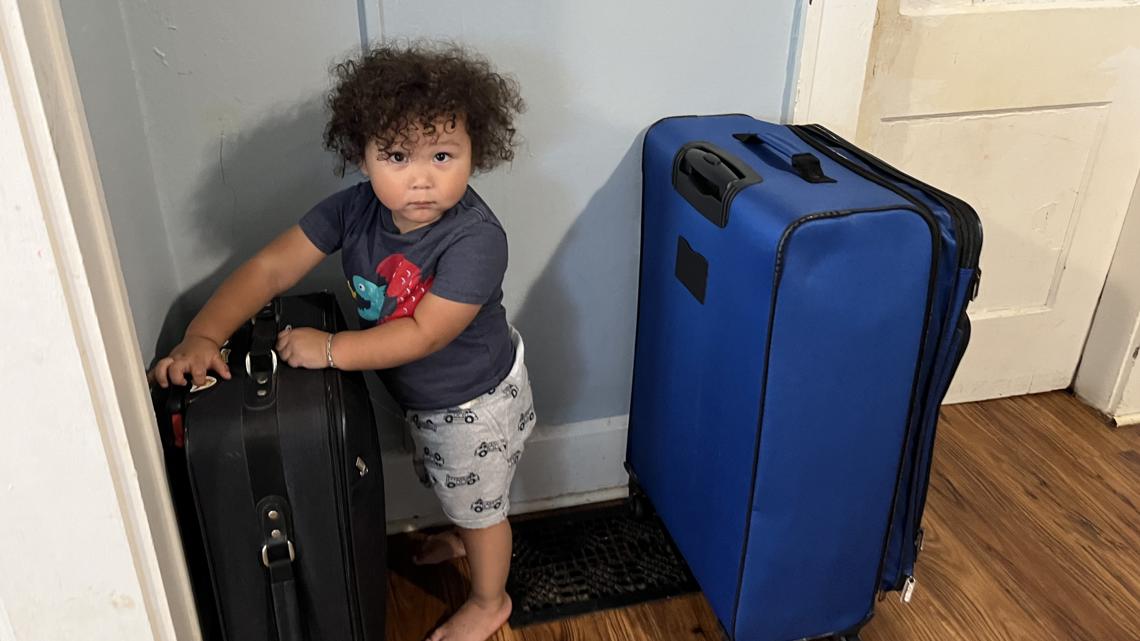
Turcios is not choosing to leave Hendrick behind. The law requires him to have travel documents to leave the country. All Americans need a passport to travel internationally, even children.
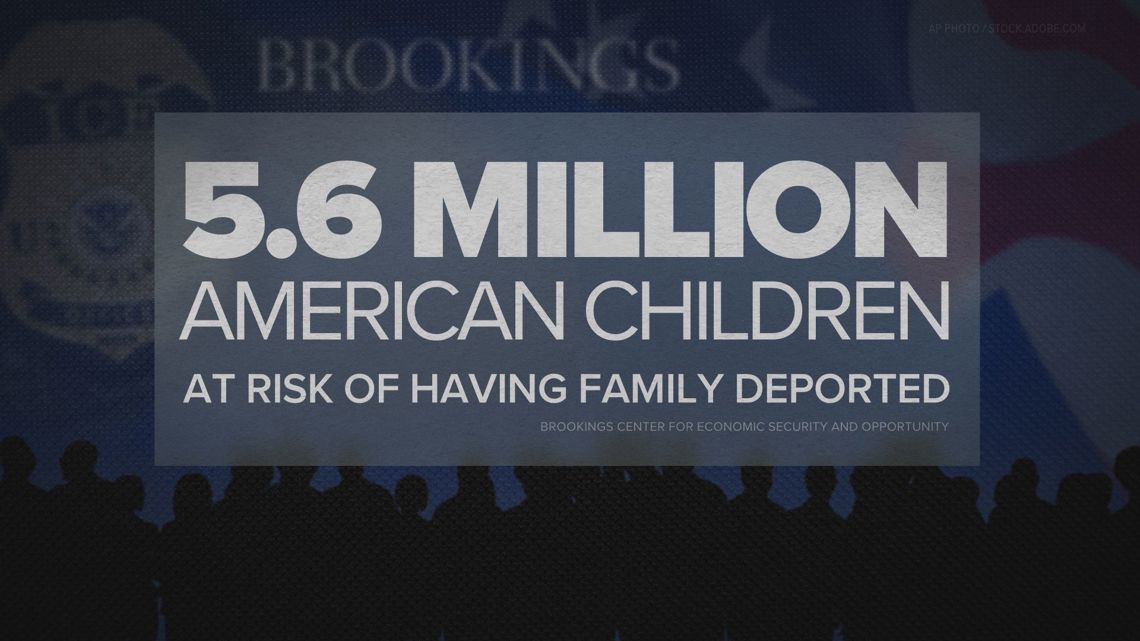
The Brookings Institution estimates there are 5.6 million American children at risk of having a parent or household member deported. Immigration attorneys tell 13 Investigates that other immigrant families facing unexpected deportation are also having difficulty obtaining documents for their children.

The first deportation
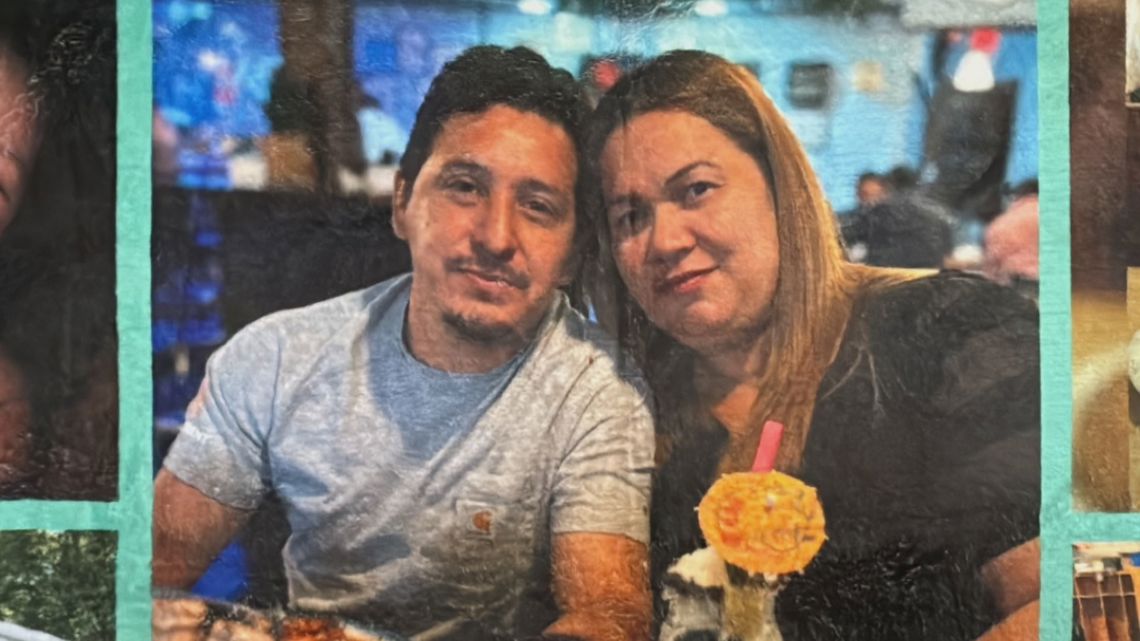
Turcios’ husband, Martir Pineda, is already in Honduras. U.S. Immigration and Customs Enforcement removed him two months ago, on March 27. The family says he was heading to work when officers stopped him at a gas station near their home. He says about six immigration officials cut him off.
The interpreter related Pineda’s recounting of being stopped. “ICE arrested him with the excuse that their daughter Nathaly had a report of missing,” the interpreter said.
The family said the agents with the Department of Homeland Security or U.S. Immigration and Customs Enforcement took Pineda to their house, and Turcios opened the door not realizing agents were with him. Turcios told 13 Investigates agents searched the home and made her wake up the 8-year-old girl to show she was OK.
The family says they never reported her missing.

13 Investigates asked why Pineda thought he was being accused of doing something to his daughter.
“ICE did that to confuse them,” the interpreter explained what Pineda said. “And (officials) made it up in order for him to take (officers) home.”
13 Investigates did not find any criminal charges filed against Pineda in Indiana and did not find any evidence that Pineda had been previously arrested for any crime in Marion County.
After ICE detained Pineda, they sent him to the Clay County Jail. The sheriff confirmed his facility housed Pineda from March 27 to April 3.
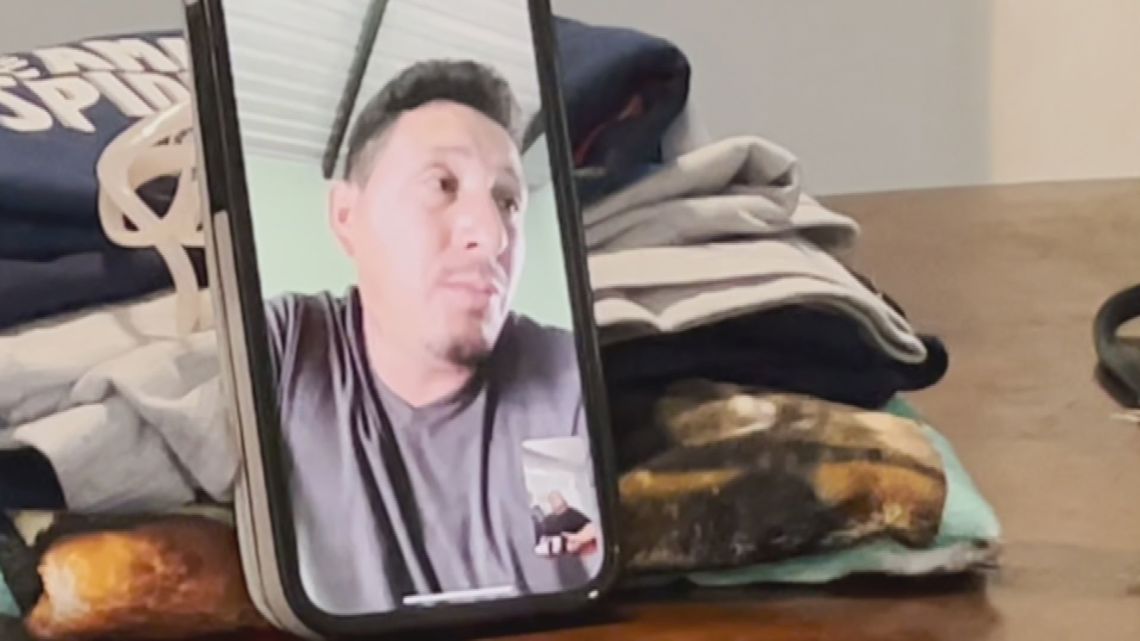
Pineda says he was then shackled and put on a bus, which took him to an airport in Chicago. From there, he says he was put on a noncommercial plane with about 250 other people he believes were also facing deportation.
He tells 13 Investigates it was difficult to sit up straight for long periods of time with his hands and legs shackled together.
“It’s not needed,” Pineda said via the interpreter. “They need to remember that we’re all human beings, and it’s not just to be treating people like that.”

13 Investigates asked the Clay County Sheriff’s Department about Pineda’s treatment while being held there for ICE. Sheriff Brison Swearingen noted that the department did not receive any complaints or grievances from Pineda while he was held there.
An ICE spokesperson did not respond directly to how detainees are treated. The agency’s statement said, in part, “As part of its routine operations, ICE arrests aliens who commit crimes and other individuals who have violated our nation’s immigration laws. All aliens in violation of U.S. immigration law may be subject to arrest, detention and, if found removable by final order, removed from the U.S., regardless of nationality.
“U.S. immigration laws allow aliens to pursue relief from removal; however, once they have exhausted all due process and appeals, the aliens remain subject to a final order of removal from an immigration judge and ICE must carry out that order.”
Back in Indianapolis, Turcios showed 13 Investigates documents showing she was processed at the Department of Homeland Security and U.S. Immigration and Customs Enforcement facility in Indianapolis on March 27. The paperwork shows she was originally ordered to leave the country by April 27.

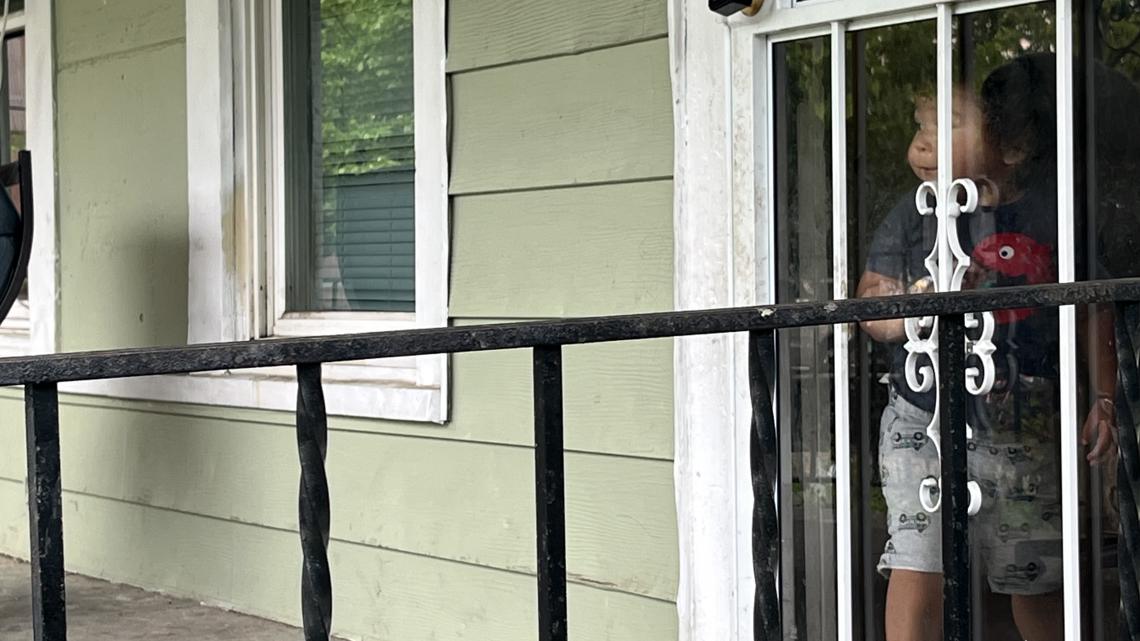
Turcios tells 13 Investigates the government granted her extensions to secure travel documents for her three minor children, all born in the United States and therefore U.S. citizens. She was able to get passports for her 8-year-old daughter and nearly 12-year-old son, but she ran into roadblocks getting one for Hendrick.
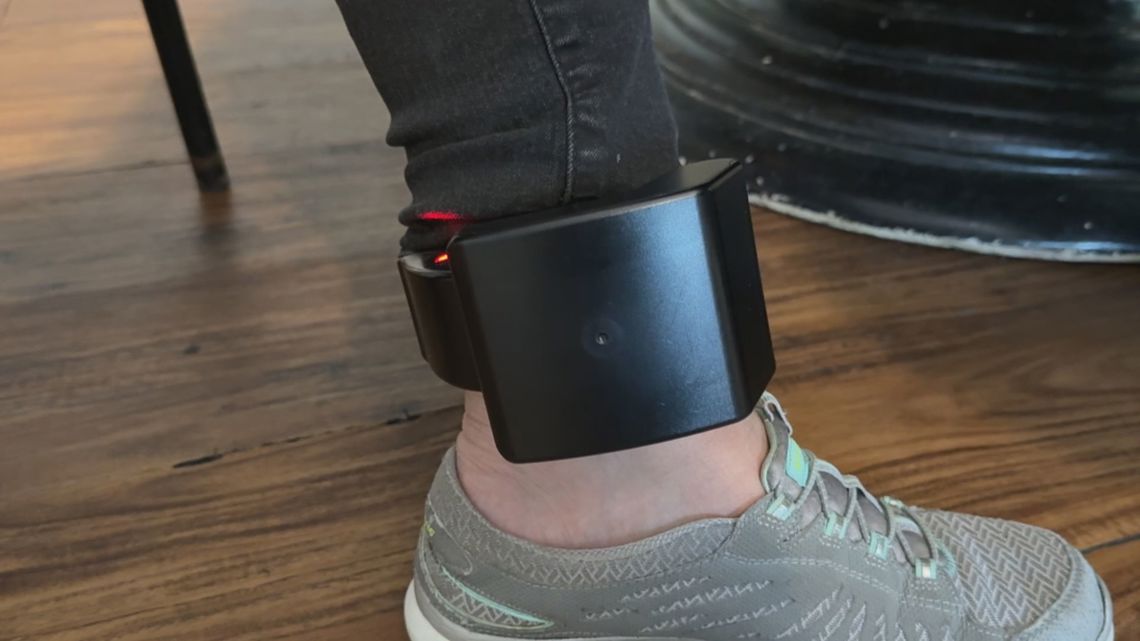
While she remained in the U.S., Turcios was placed in the alternative to detention program overseen by DHS’s Intensive Supervision Appearance Program while she worked on getting the children’s paperwork.
ICE reports monitoring more than 185,000 migrants through the program. The agency’s website says it uses multiple technologies to track people, including wrist-worn devices and the SmartLINK Mobile application. Agents gave Turcios an ankle monitor.
Immigration officers removed it once she arrived at the Indianapolis airport to board a plane for Honduras.

The American Dream
Pineda and Turcios left Honduras separately, but both report briefly working in Mexico before hiring a coyote to smuggle them across the border.
Yesica says she crossed near McAllen, Texas in 2012. Martir crossed six years later.
They did not have legal status but still built a life.
The couple married this past February.
Pineda worked construction. He told 13News he helped with residential projects in Fishers and Greenwood. Turcios said she cleaned homes and babysat.

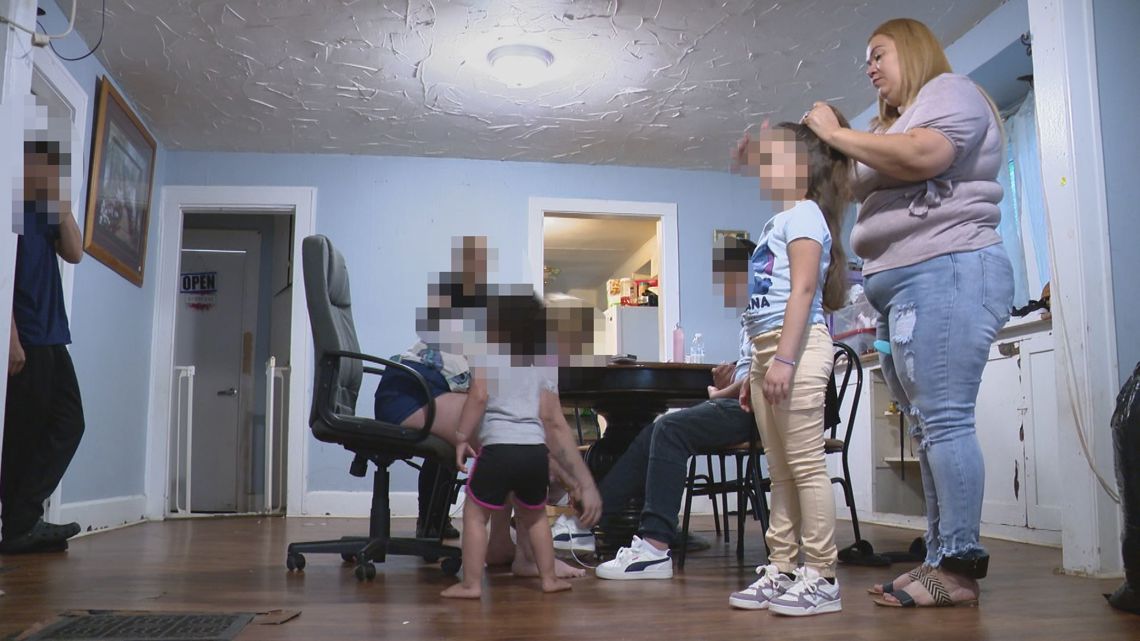
The family reports the school-age children attended Indianapolis Public Schools.
The couple praised the district for providing services to help the 12-year-old son manage his autism. Turcios worries the boy will regress in Honduras. She says he will no longer have access to those therapies.

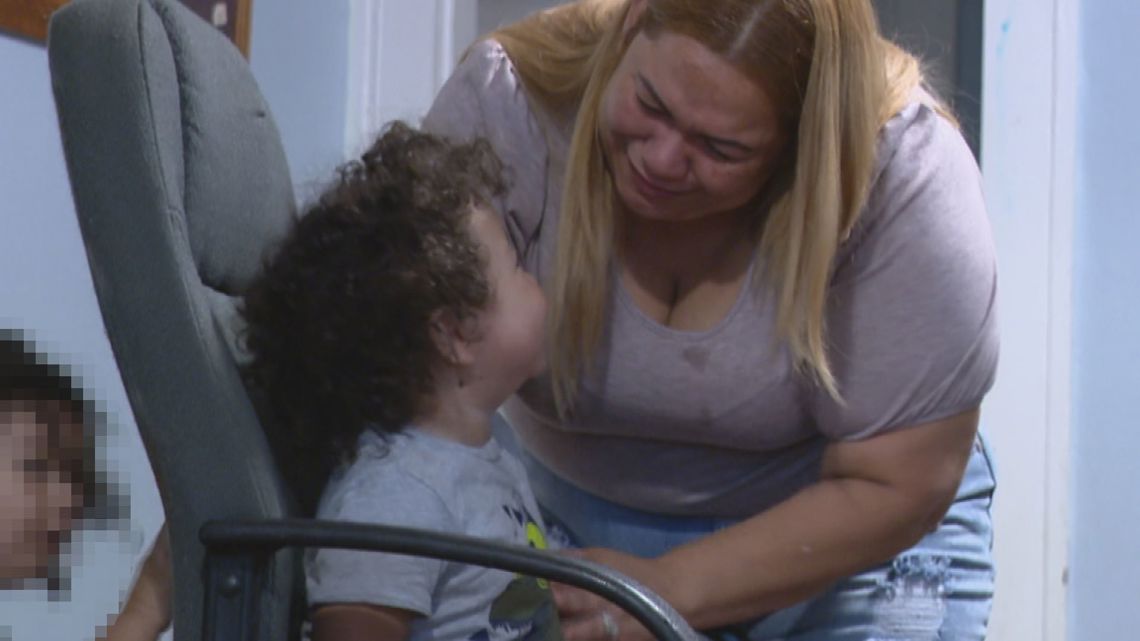
“We were just here to work,” Turcios said through the interpreter. “I don’t see why (the U.S. government) don’t take the criminals, and they want to take out the hard workers.”
13 Investigates did not find any charges filed against either adult in Indiana.
Pineda’s deportation shattered their American dream.
It’s a key reason his biological son – 2-year-old Hendrick – does not have a passport.
“Since (Pineda is) not there to sign, she’s not able to get a passport for him,” the interpreter related Turcios’ explanation of the troubles getting Hendrick’s passport.
An attorney for the family confirms that since Pineda is listed on Hendrick’s birth certificate, he needs to give consent for the boy to receive a passport. Usually, both parents need to apply for the document in person. When that is not possible, the U.S. requires a notarized statement of consent, but the family was not able to get Pineda’s signature because he was detained.


He can fill out the form in his birth country, but Honduras is one of 54 countries that require a form to be notarized at a U.S. embassy or consulate. The State Department’s website states it “cannot be notarized by a local notary public.”
Those challenges are, in part, why Hendrick remains in Indianapolis without his mother, father and two of his siblings. The family says he’s staying with a relative.
The State Department would not comment about a specific case, but it sent 13News a statement that said, in part, “The Department regularly works with U.S. Immigration and Customs Enforcement and federal partners as needs arise. We do everything possible to provide efficient service to applicants while following federal laws.”


The statement went on to say the department works with parents and guardians on a “case-by-case basis to support urgent travel scenarios.”
Even if Hendrick gets a passport now, it’s unclear how he would reunite with his family.
Source link
Cierra Putman (WTHR) 2-year-old stranded in Indiana after parents’ deportation www.12news.com
KPNX Arizona Local News Feed: investigations 2025-06-13 20:56:29
investigations,news,syndication +



GIPHY App Key not set. Please check settings